
WHO Says Malaria Interventions Averted 170M Cases, 1M Deaths in 2024
WHO-endorsed innovations are penetrating routine health systems at unprecedented rates. Since initial malaria vaccines received approval in 2021, 24 countries have integrated them into national immunization programs, according to data unveiled in the agency's annual World Malaria Report. Seasonal malaria chemoprevention has also scaled dramatically to reach 54 million children in 2024, up from approximately 0.2 million in 2012.
Elimination progress continues advancing, with 47 countries and one territory now certified malaria-free. Cabo Verde and Egypt secured certification in 2024, while Georgia, Suriname, and Timor-Leste followed in 2025, the report confirmed.
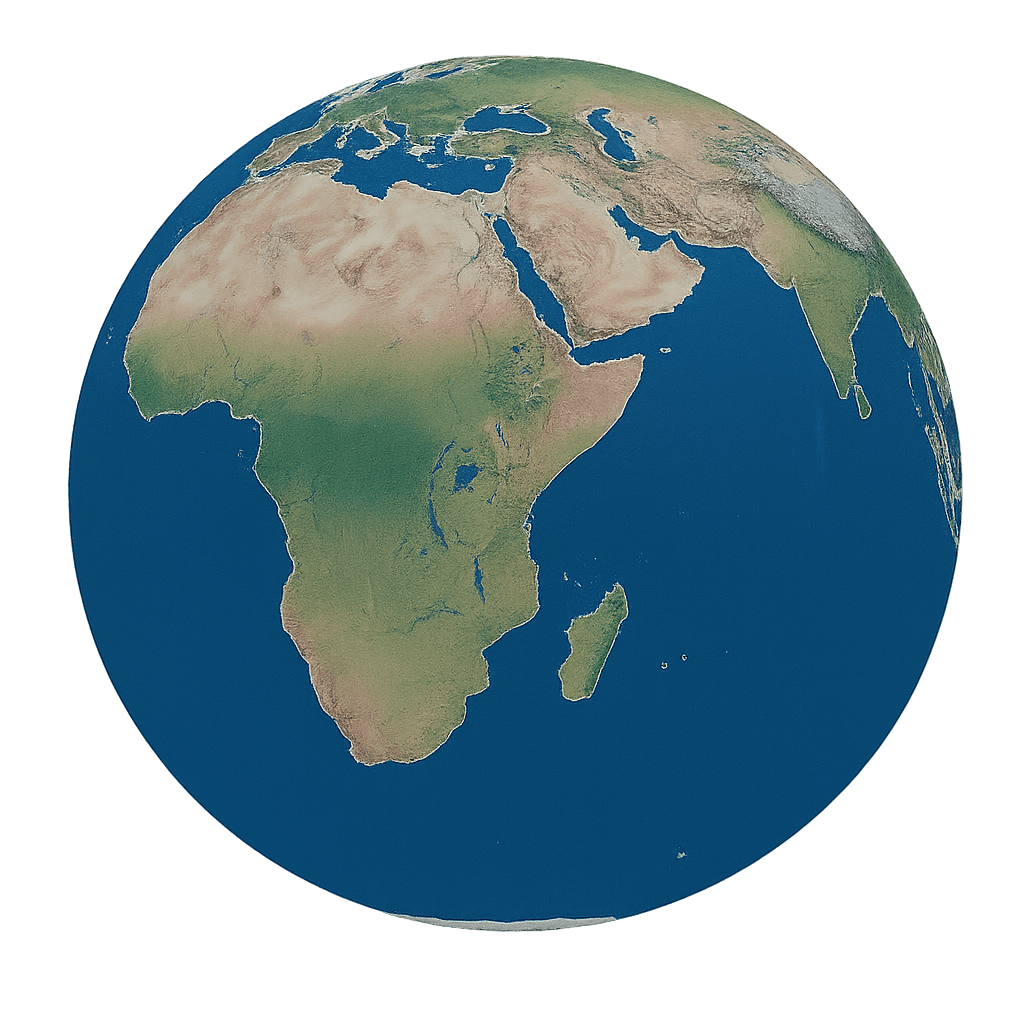
Yet despite these victories, the report projected 282 million cases and 610,000 deaths in 2024—roughly 9 million additional cases compared to the previous year. Approximately 95% of fatalities occurred in the WHO African Region, predominantly among children under age 5.
"New tools for prevention of malaria are giving us new hope, but we still face significant challenges," WHO chief Tedros Adhanom Ghebreyesus stated. "Increasing numbers of cases and deaths, the growing threat of drug resistance, and the impact of funding cuts all threaten to roll back the progress we have made over the past two decades. However, none of these challenges is insurmountable."
The report exposed partial resistance to artemisinin derivatives, confirmed or suspected in at least eight African nations, and issued warnings about declining drug efficacy. Additional obstacles cited include pfhrp2 gene deletions compromising rapid diagnostic tests, pyrethroid resistance spanning 48 countries, the proliferation of Anopheles stephensi mosquitoes, extreme weather events, armed conflict, and stagnant global funding, which reached $3.9 billion in 2024—less than half the 2025 target.
"The World Malaria Report is clear: drug resistance is advancing. Our response must be equally clear — new medicines with new mechanisms of action," Martin Fitchet, the CEO of Medicines for Malaria Venture, declared.
WHO urged endemic countries to uphold commitments outlined in the Yaounde Declaration and accelerate action under the Big Push initiative to safeguard progress toward a malaria-free future.
Legal Disclaimer:
EIN Presswire provides this news content "as is" without warranty of any kind. We do not accept any responsibility or liability for the accuracy, content, images, videos, licenses, completeness, legality, or reliability of the information contained in this article. If you have any complaints or copyright issues related to this article, kindly contact the author above.
